Trauma

  • When Triggered Some of Us Become Different People

    As she and her guests shared their stories and the research around how this happens, I kept replacing all of the stories; the pain of giving birth, the struggle to bike up 4,000 feet of incline, and others with trauma and PTSD flashbacks. When we have those kinds of reactions, we become different people. Often, we become the child who was being abused instead of the adult we are, and we act accordingly. We lash out, self-protect in unhealthy ways, or try our best to hide from it.

    The exact reactions are not the important thing. We need to know that it happens. When in an extreme emotional state, we can act like a different person. We all do. The problem is that we don’t know that person. We are not good at predicting how we will react. When we are in a calm state, the warm-state version of us makes no sense, and how we think we’ll act turns out not to be what actually happens.
  • |

    Let’s Talk About Your Friend with Social Anxiety

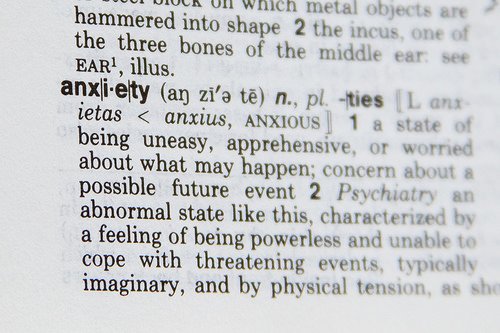
    Someone you know is likely struggling with anxiety. Likely, many of you are, too, just like I am. With general anxiety running rampant across society right now, we can also assume that a large portion of social anxiety is going around too. If you have a friend who has struggled to keep plans or stay in touch, be kind. Recognize their anxiety and take a small action that sends the message that you are happy to see them. For me, it’s been a sincere hug or smile upon seeing me. It’s an immediate reminder that this person wants to be with me. There is an undeniable feeling that seeing me makes them happy.

    They probably have no idea how much they have done by expressing that to me, but it makes all the difference in the world. I can immediately go from being all in my insecurities to all in the acceptance and warmth of long-time friends. It might not seem like much, but it is.

  • Trauma Upon Trauma – Reading about Lauren Book’s Experience with Stolen Images

    As you might imagine these sorts of activities are severely traumatizing, and Lauren’s response in the article I linked makes that clear. I also want to address the more subtle trauma here though. That trauma comes from those of you who will read this story and immediately respond “well she shouldn’t have been taking those photos”.

    I want to be very clear here. That statement is 100% blaming the victim. This is the same exact thing as saying a woman shouldn’t have walked alone at night, or had a drink, or a child shouldn’t have been so friendly with strangers, etc. Lauren didn’t do anything wrong. What she and her husband do inside of their marriage is none of our business, no laws were broken, nothing untoward was going on. She was just a wife living her life and she was hacked. The person who stole these photos was the one breaking the law. The people sharing and selling those photos were breaking the law. Save your moral outrage for them and the people requesting to have these photos used to create fake rape videos because she was a rape victim.

    Anyone who can read the entire story and walk away indignant more at her for having taken photos that were perfectly legal and a personal choice instead of the people who have violated her are simply violating her again.

  • |

    Grief is Hard, and Long

    Something else interests me about grief though and that is the grief that child abuse survivors have because it’s complicated. We aren’t grieving a person we’ve lost, we’re grieving something we never had. A safe, happy childhood or a loving parental relationship that didn’t exist. The lack of any kind of family bonds as an adult, or the inability to trust anyone. Those are things we can, and should, grieve. Often we aren’t given the chance to do that. Other people expect us to “put it behind us” because it was a long time ago. We may even convince ourselves that the best option is to suck it up and forget it, no reason to think about any of that. But, I think there’s a reason to grieve the things we didn’t have as children. They are very real losses. They have very real impacts on our brains and our emotional well-being. We can’t change it now, but we can allow ourselves the freedom to feel grief over it. It’s part of the process. 

  • Concentric Circles of Trauma

    No, the easiest way to break up those circles, as any kid who threw rocks into the water can tell you, is to throw another rock and create new concentric circles starting from a different location.

    In my metaphor about the trauma, I wonder what those other rocks could be. Mental health treatment? Care and support from family and friends? The elimination of stigma attached to trauma?

    How about instead of ignoring the circles, we started throwing some more useful rocks and disrupting the cycles of trauma that we see repeated over and over again in those circles?

  • What Are We Unlearning from Childhood Anyway?

    These all ring so true to either my own experience or the experiences of other survivors I have known through the years. One of the biggest hurdles we have to clear before we can really even begin to have a semi-normal adult life is believing that the way we grew up is the way all relationships work. Even all these years later, I still have to remind myself that what I do is good enough, at home and at work. Or that it’s OK to emotionally connect with new people. It’s really difficult to unlearn those lessons from childhood, and yet it’s so freeing to realize that what happened to us, wasn’t because any of these were true. What happened to us was the result of someone else’s actions that are completely unrelated to who we are, or what we deserved.