
Deep Level Stigma
I’ve had some recent opportunities to sit down and have coffee with some people who have worked in child abuse prevention and treatment and do fundraising for those efforts. I’ve already been creating some blog posts out of things that came up during those conversations because they were that good. Still, there was one particular thing that was mentioned a few times that I’ve been a bit hesitant to write about because I don’t want to come across as bitter and angry. I want to delve into this thoughtfully and find a solution instead of calling people out.
The issue can probably best be summed up with a composite story. This is not a true story but one built from a few different stories.
So, you are trying to raise funds for a child abuse program. You have a number of ways you can go about this, but you recognize that to be truly effective, you’re going to have to do more than have a few hour-long child development classes. You’re going to need to do the hard work of working with abused children, of advocating before government entities, children’s services organizations, courts, etc. You’re going to have some successes and some failures. The work will continue for years, generations even. You’ll have to wade through some of the ugliest things you’ve ever heard of to support and seek justice for victims, and you’ll need to be able to tell these stories to the world.
But you will accomplish so much for these kids and future generations by doing it.
You could go out to businesses and individuals and get them to fund that kind of work because it needs to be done, right?
But no. Instead, you get complaints about how dark and depressing your programs are. How I don’t want people to think of child abuse when they think of my business, it’s bad for the brand, or how I’m appalled that you would talk about such a horrible thing to me, or when asking in a fundraising ad and making everyone see that information.
That’s what I call deep-level stigma. It tells every survivor that their stories are too sad or depressing to be shared. No one wants to hear them.
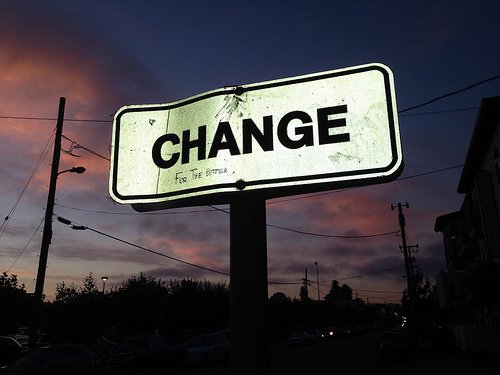
The question is, how do we combat that and create the systemic, huge changes that are necessary to deal with this epidemic of abuse? The easy answer is to shout, yell, and get in their faces about our stories, but I don’t think that’s effective. All we have to do is look at our current political discourse, or Twitter, to know that shouting at someone who refuses to agree with us only makes them dig in deeper. It’s not going to create any effective change. But maybe we can learn something from another movement, the #MeToo movement.
From my perspective, the #MeToo movement isn’t necessarily successful because famous people were involved. That’s only tangential to its success. Yes, seeing famous women talk about famous, influential men made a difference in that it got people talking about their own experiences, but it was also too easy to look at that and dismiss it too because that’s “over there,” in Hollywood, not in my real life.
Again, speaking personally, I want to advocate for women not because of those stories, as horrible as they are, but because of the stories that move the needle right in front of me.
- The interviewer told my wife her salary demands were out of whack for a female employee because she could get pregnant and go on maternity leave.
- The coworkers I would train with had to deal with stares during class and a little too much attention after class.
- The friend who every morning has to decide between running in town and trying to drown out the comments and catcalls or running in the forest and risking getting abducted with no one around to help her because it has happened to other women.
- The countless women I know who have been stalked, harassed, or assaulted and shared that with me in some way.
You see, knowing that people I know, care about, and love are being mistreated makes me want to act. That will move people to act, try and find solutions, and fund those solutions.
So when I tell my story here, on social media, or in person, I’m not trying to reach the myriad of people who don’t know me and don’t want to be bothered by the issue of child abuse. I’m trying to reach out to other survivors to encourage them that they are not alone and can also tell their stories.
Because if enough survivors are telling their stories, it becomes highly unlikely that the person out there who “doesn’t want to hear about it” will continue not to know anyone affected by child abuse. It won’t be a problem for people “over there,” but people “right here.”
I hope that once they see how child abuse has impacted the lives of people they care about, they will be moved to act and look for solutions.
Fellow survivors, keep telling our stories. Nothing eliminates stigma like having one of “those people” turn out to be someone you already care about.