Shame and Guilt – For Telling the TruthPin

Shame and Guilt – For Telling the Truth

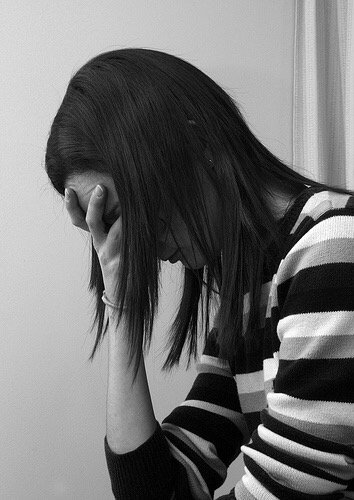
depression photoPin
Image by canonsnapper

I discovered a relatively new site yesterday and while I don’t know much about the author, I thought this particular part of what it’s like to finally tell someone about your abuse was really insightful.

However, I also felt extremely guilty. This was a “forever secret” and I broke it. A year later, and I still can’t shake this guilt I feel, and this loyalty to him, hence why this blog is currently under an anonymous name.


This is something we don’t tend to talk about enough, but when i read this I really thought it was a perfect example of the struggle adults, let alone kids, deal with when it comes to telling. Even if we can get past the shame of being a victim, there’s the attachment that survivors develop over years of grooming and abuse.

This is real, and it should not be taken lightly when we think about why survivors struggle with sharing their stories.

Similar Posts

  • An Important Reminder About Social Media and Privacy

    I’ve mentioned this in the past, but in the last week, I’ve had another stark reminder that not everyone is in a place where they can simply share with their social networks the fact that they are a survivor of childhood abuse, or are dealing with mental health issues. If you’ll allow me to quote…

  • |

    Recommending Some Podcast Episodes on the Mental Health of Young People

    Listen to both episodes. You’ll be challenged to think about youth mental health in a much broader sense. Hopefully, you will also see that these are not easy questions to answer and that existing in the world and planning for a future right now is hard. It’s no wonder that young people are struggling. It’s time we start taking serious steps toward making it less challenging for everyone and quit looking for a silver bullet that’ll fix it.

  • What We Really Need is Compassion

    I see this a lot in our communities as well. Again, empathy when dealing with an individual child, or supporting a loved one with a mental health struggle is great, but trying to feel the pain of all of the abuse survivors we are likely to come across in the world online, is a sure way to overwhelm yourself and burn out. I’ve seen it over and over again. Much like COVID-19, these issues are global, and huge. Trying to take on that much pain is an impossible task, and isn’t actually going to be helpful. Much better, is to develop compassion. As the guests on the show discuss, compassionate emotions push us to act. That act, helping others, does more good for them, but is also good for us. Instead of feeling overwhelmed, and shutting down, we are taking some small amount of control over the situation, and acting on it in a way to helps. We become the helpers that Mr. Rogers so famously talked about. Being a helper, makes us happier. It sets aside our own anxiety and struggle to do something, which is always a good way to move beyond those things.

    So, the question may be not only what are you doing to take care of yourself during this time of great anxiety, but what are you doing to help others?

7 Comments

  1. I was abused and tortured when I was six years old. By three teenage girls. One of the individuals held the trust of my mother. So my protestations were treated as fantasy and I was punished further.
    My experience lasted for a few months. Then they lost interest. The abuse stopped. But the rift between me and my mother remained. She had lost my trust and could not understand why.
    For years I kept my secret. Then in my twenties I shared it with a male friend to whom I had grown close. I had formed the idea he would believe me. Guess what. Not only did he not believe me he laughed at the idea.
    That was the last time until today I have felt like sharing my tale. It is only through God’s good grace I have not become an abuser myself. Indeed the idea is complete anathema to me.
    I do become angry however. When I see the media releasing yet another ‘ dirty old man ’ paedophile story. There are female abusers out there. But as in my case. Nobody wants to know

    1. Keith, I’m sorry you have gone through that. Unfortunately, it isn’t uncommon for any survivor to not be believed, but it seems especially so for male survivors. Thank you for sharing your story here!

Leave a Reply

Your email address will not be published. Required fields are marked *

This site uses Akismet to reduce spam. Learn how your comment data is processed.

To respond on your own website, enter the URL of your response which should contain a link to this post's permalink URL. Your response will then appear (possibly after moderation) on this page. Want to update or remove your response? Update or delete your post and re-enter your post's URL again. (Find out more about Webmentions.)