Can Photography Teach Us to See the World Differently?Pin
|

Can Photography Teach Us to See the World Differently?

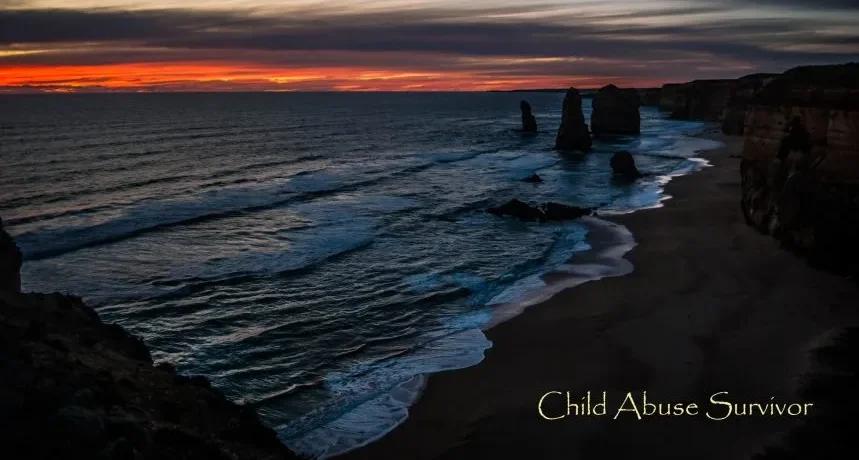
As many of you know, I love photography. There are few things I enjoy more than grabbing my camera, going exploring. and then sharing those photos with everyone.

I’ve always thought of photography as being part love, and part my way of protecting myself from my dissociative past. After all, my childhood, and some of my adult years, include some chunks of time that I do not remember at all, so why wouldn’t I get in the habit of documenting the things I see.

But, it’s also more than that, and this article really puts it into words that I haven’t really thought about:

Taking pictures helps us to really see things as they genuinely are (so does drawing). Taking pictures helps us to take a closer look, which we normally don’t do. To examine and study an object or a person. Because as photojournalist Dorothea Lange said, “A camera is a tool for learning how to see without a camera.”


Taking pictures also is a powerful way to practice gratitude. To remind ourselves of the wonder that surrounds us.


“Even on the hardest of days, the beauty of the world can pull me back. I can literally see the world through a different lens—one that honors the miraculous,” writes Andrea Scher in issue 2 of Bella Grace magazine.

I think there’s a lot to be said for the fact that walking around with a camera, of any sorts, and looking for something to take a photo of, teaches us to look for positive, beautiful things all around us. There’s no doubt that our outlook on life is impacted by that in a positive way.

So, maybe when we’re all feeling run down, or negative, we could all grab a cell phone or whatever camera we have with us, and see what there is to take a photograph of. Look for the lovely thing that is right in front of us.

Do you find photography to be helpful, or any other sort of artistic expression? Tell us about it!

Similar Posts

  • Video – There’s No Shame in Taking Care of your Mental Health

    When stress got to be too much for TED Fellow Sangu Delle, he had to confront his own deep prejudice: that men shouldn’t take care of their mental health. In a personal talk, Delle shares how he learned to handle anxiety in a society that’s uncomfortable with emotions. As he says: “Being honest about how…

  • |

    Why I Took Part in the AFSP Virtual Overnight Event

    It was the stories. It was all of those people doing this in memory of someone they lost. Or, like me, in memory of the fact that we are still here instead of leaving others to tell our stories. In our day to day lives, it’s too easy to forget how many people are impacted by suicide each and every year across the country, and the world. The further in time I get away from that time in my own life, the easier it can be to put it behind me and forget about it. But, that is something I never want to do. As painful as it is, I want to remember what it was like to no longer want to be alive. When someone is in that place, I want to be able to say, “I’ve been where you are”, to recall all of the details, and be able to sit and understand. Because that is how we save people. Not by talking in hushed tones about depression, or mental illness, but by sharing the stories of people who survived and healed, and of those we’ve lost.

    Let’s face it, if you spend much time considering those losses, and listening to those stories, it is impossible to walk away without realizing that we have lost a devastating number of people to this disease. Many more than some of the diseases we all gladly talk openly about every day. Yet somehow, maybe because we don’t understand it, or are afraid of it, we keep silent. After all, it might make someone uncomfortable. Even I have, at times, kept the details to myself in fear of making other people uncomfortable, or risk having them worry about me. The more I read and heard these stories though, the more I realized that I needed to share my story, if only so that anyone who reads it would know, and maybe even understand a little bit, what it’s like to be so far down into the darkness of depression, that you don’t want to live any longer. So, with that said, let me share my experience with you, now that it’s been some 25 years, and maybe now people won’t worry so much about me. (Warning, this is about to get dark, and we will talk a bit about suicide, though I will keep those exact details out)

  • |

    Scientific Illiteracy – If It Was That Simple…

    One of my pet peeves, among many, are articles written as though fixing everything about life is as simple as getting outside more, or eating this one thing, or stating that a study shows something that really, maybe it doesn’t. For example, the studies about screen time, or social media use, which seem to be…

  • Interesting email discussion over the

    Interesting email discussion over the last few days about dissociation. There are so many ways that people dissociate, even in everyday life, that it’s sometimes hard to pin down exactly what we mean. Dissociation can be something as extreme as multiple personalities or fugue states, but can also be used to describe daydreaming or “highway…

5 Comments

Leave a Reply

Your email address will not be published. Required fields are marked *

This site uses Akismet to reduce spam. Learn how your comment data is processed.

To respond on your own website, enter the URL of your response which should contain a link to this post's permalink URL. Your response will then appear (possibly after moderation) on this page. Want to update or remove your response? Update or delete your post and re-enter your post's URL again. (Find out more about Webmentions.)