Natural Disasters Don’t Care Who You Voted For
It wasn’t appropriate when Pat Robertson suggested disasters were a punishment against the US, and it’s not appropriate to suggest a state where more people voted for one candidate or another got what they deserved.
Unfortunately, no one seems to get that message.
Here’s what I know, without a single doubt:
Flood waters, hurricanes, earthquakes, tornadoes, tsunamis, and massive heat waves don’t kill people because of who they voted for or what they believe. People die in natural disasters because they are there when the disaster strikes. That’s it. There’s no other rhyme or reason for it.
The same thing is true of bullets, bombs, disease, and famine. People die because they are there when these strikes occur.
It’s not physically possible for any of these things to stop and identify someone’s beliefs as they strike, and when children are killed, who can’t vote, you can’t argue that this was a result of their vote.
Making the death of anyone political is gross.
On the other hand, what is political is the allocation of policies and resources that either avoid or exacerbate disasters, as well as policies that ensure we have the proper resources to assist people after a disaster.
Let me correct that statement; this shouldn’t be a matter for political debate, but it is. I believe that if we have any single responsibility to each other, it is to do whatever is in our power to prevent premature death for everyone. So, if the recent budget that cuts Medicaid for poor people in the US is a terrible idea to you because you think it’s going to cause premature deaths, don’t be on social media talking about how Texans deserve to flood. On the flip side, if you’re upset by the deaths of dozens of people in this disaster, or the damage done from Hurricanes last few years in Western NC, Florida, Tennessee, Georgia, and Louisiana, but are also celebrating immigrants possibly being eaten by alligators, you show yourself to be a little less concerned with the value of all human lives.
In either case, what you’re doing is not valuing human life; you’re choosing sides. Which tells me that you only care about the lives of people on your side, which is not how we get out of the mess we are in. Until people start to value every human being, we can’t begin to talk about solutions to our problems.
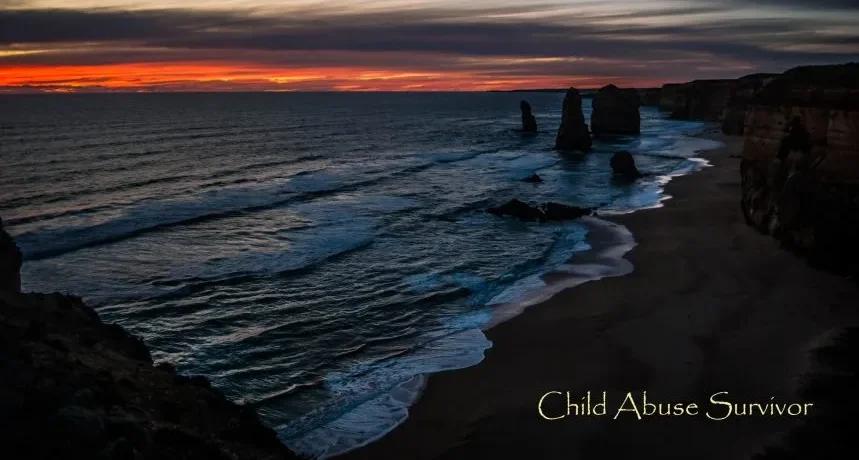
More importantly, though, is to understand what we say to each other because, as someone who was abused as a child and dealt with severe depression for years, I know what it’s like when people around you see you as less-than. I know what it feels like to feel that way internally, and that is part of the abuse and depression, but it was also part of society that told me that. The part that got uncomfortable any time I was around, or who gets on podcasts and blogs to talk about the damaged goods that abuse survivors are, or mocks “crazy people.” The solution to that is not to find another group that you consider to be beneath you; it’s to see the value in every life. To recognize the humanity in all of us and make political decisions that lift the humanity in all of us.
Without that recognition that we are all human beings from the start, we are lost.
- “Love and compassion are necessities, not luxuries. Without them, humanity cannot survive.” – Dalai Lama.
- “An individual has not started living until he can rise above the narrow confines of his individualistic concerns to the broader concerns of all humanity.” – Martin Luther King, Jr.
- “The greatness of humanity is not in being human, but in being humane.” – Mahatma Gandhi.