
What Does Self Care Look Like For You?Pin
| |

What Does Self Care Look Like For You?

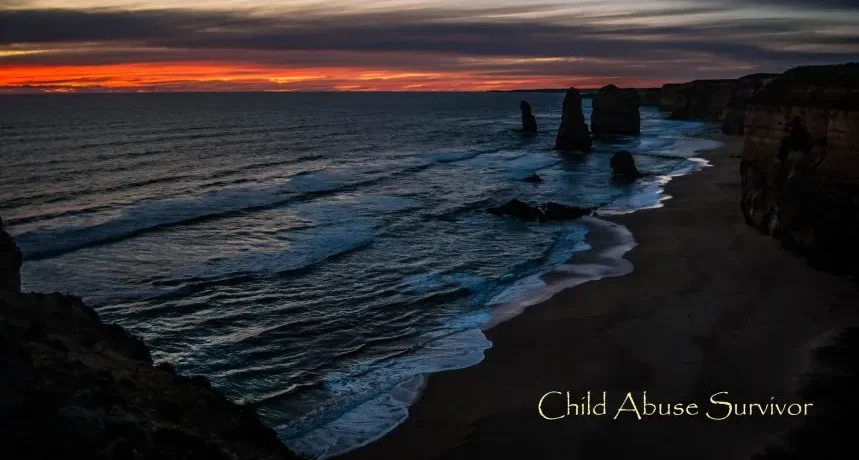
The photo above is what self care looks like to me, and the thing is, for many of you, that is probably not the first thing you thought of when you saw it.

Thing is, that’s perfectly OK.

Over the Memorial Day weekend, and a bit beyond, I planned to take some time to practice self care. For me, that meant driving a long distance to a little hotel in Texas, getting up before dawn to drive down from my hotel into Big Bend National Park, grabbing my camera and exploring the park, then making a few exploration stops on the way back home, taking some more photos. If you follow the Twitter account, you may already know that I love photography, and share posts from my photo blog daily, eventually you’ll see a bunch from this trip too.

That’s not really what we normally see when people talk about self-care. But, it works for me. I also enjoy relaxing in the sun, getting a massage (in fact, an appointment with my therapist the day after I got home was on order to help recover from the hiking and driving), and even the occasional bath, but the best way for me to take a real break from the stress of work, clear my head and recharge myself, is a trip like this one. Since I don’t travel for work like I used to, I find that I need this time of being off by myself, going somewhere completely new, to satisfy my wanderlust and also check in with myself.

I’m also lucky in having a spouse who gets this. I’m not sure everyone would be OK with their spouse just wandering off for a few days without them.

So why am I sharing this here? It’s because self-care is an important part of all of our lives. Those of us who are healing from trauma, or struggling with our mental health, need to allow ourselves the freedom to take care of ourselves. Even if that doesn’t describe you, self care is still important.

But, I want you all to remember that “self care” is a two word phrase. Caring for your “self”, may not look the same as caring for my “self”. Hiking in the desert might sound like an absolutely horrible thing to you. Going skiing sounds like an absolutely horrible thing to me, but I know lots of people who love it. Good for them. Whatever form self care takes for you, go for it. If you don’t like traveling, but love reading, grab a novel and curl up on the couch. Go for a walk during your lunch hour, have a glass of wine before bed. There’s no absolute right or wrong way to care for ourselves. It involves doing the things that we enjoy, and are good for us. It’s doing the things that bring us peace and contentment, that bring even just a few moments of joy to our otherwise stressful and hectic life.

I’ve often said that abuse survivors, in particular, spend much of their adult lives learning the skills we should have learned as children, including how to take care of ourselves, and how to experience joy. I fear that because of that, we also have a tendency to look at what works for others and assume that is what we should be doing. It might not be a bad idea to try some of the things others are doing if you’re not sure of what activities will serve this purpose for you, but remember that we are all unique. If it’s not working for you, it’s OK to stop and try something else. Eventually, you’ll figure out what works for you.

The important thing is doing something to take care of you. Even if no one else gets it.

Similar Posts

  • To the Class of 2020

    I’m sure you’ve all seen the Facebook “thing” going around asking folks to post their Senior pictures to show support for the kids who are going to miss out on prom, and graduation, etc. this Spring due to the virus lock down. I’m sure many of you have also seen some posts questioning why sharing…

  • |

    When it Comes to Abuse, Trafficking, and Violence, Do We Have a Race and Gender Problem?

    What I want to address, however, is how our society defines victims and how it leaves far too many people behind. The article above is a great example. How many people, if asked about sex trafficking, picture little white girls or women abducted from Target? Probably a lot. For many, the only information they’ve ever gotten about trafficking are warnings about Target or shopping mall parking lots from their Facebook friends. They don’t know how many teenage boys from broken homes, living in poverty, are pulled into being trafficked. How many gay youths, rejected by their families, fall victim to it? How many immigrant children here, with no parental supervision, are sold off by the people who should be protecting them from sexual slavery? 

    Those stories, even if they’re told, are not going to grab national headlines. They are not going to evoke world-wide outrage and sympathy. Those are things that happen to “other people”. We might even be tempted to start looking for reason why it’s their own fault, or at least the parents fault, right? 

    From a media perspective, we also have to keep this in mind. An abduction of a young white girl from her home, is a rare event. It’s actually newsworthy because it happens so rarely. When it happens, it’s shocking. A trans, minority, teen being coerced into selling themselves, with no one to turn to for protection, isn’t any of those things. A gay male teen being kicked out of their parents house and trying to make it through homelessness, is also not something that happens so rarely that there would be major news coverage of it. These things happen all of the time. So often, that they aren’t really news. 

    So, which group should we have support and services for? I’d like to vote for ALL OF THEM. But that will take educating people about the reality of who gets abused, who gets trafficked, and for us all to accept that it happens everywhere. Until we get there, and are willing to see all different types of people as victims, we will continue to fail one group or another. That’s not acceptable. 

  • |

    More on Athletes and Mental Health

    When I wrote about watching Athlete A last week, I mentioned the fact that the win-at-all-costs mentality of USA gymnastics blinded the organization to the fact that girls were being abused right under their noses, and played a role in their lack of response to allegations. They had one guiding quest, winning gold medals, and…

  • High School students learn about child abuse

    I ran across this article today, about a high school in Minnesota and how they have, for several years now, assigned students a senior research project on child abuse. I think this is great, and I think that the more people we can get talking, thinking, acknowledging and listening to survivors, the more tools we…

  • |

    The Extreme Things Toxic Positivity Forces You To Believe

    I feel fairly certain I have never read a worse example of how certain worldviews will have to end up blaming the victim for their own suffering than this quote from an article about how we can fetishize “surviving” during difficult times, often taking more interest in things like the Holocaust:

    Recently, a textbook required for the UNC minicourse “21st Century Wellness” was skewered for suggesting—as a headline read—“Holocaust victims who died failed to find their inner strength.” The actual text included: “The people in the camps who did not tap into the strength that comes from their intrinsic worth succumbed to the brutality to which they were subjected.”

    I realize that this seems shocking that anyone would believe this, but I have a different take on it. Why wouldn’t some people believe this?

Leave a Reply

Your email address will not be published. Required fields are marked *

This site uses Akismet to reduce spam. Learn how your comment data is processed.

Your post must include a link to this post.

How does this work?
Write a response on your own website and include a link to this post. Then submit your response’s URL here. Your response may appear here after moderation. To update or remove it, edit or delete your original post and submit the same URL again. Learn more about Webmentions.