
From Victim to Leader

I attended a legal tech conference last week as part of my day job, and I listened to a presentation on professional leadership where something the speaker said really struck me as applicable to survivors.

She said the best leaders can lead themselves first. Meaning, they can see themselves as the sum of their life experiences, understand how those experiences color their outlook, and separate fact from fiction in that outlook, thereby making sound leadership decisions.

As she described the process of being aware of yourself, your strengths, your weaknesses, it really sounded a great deal like doing a bit of therapy. It also made me very aware of the fact that because I had gone through therapy, and years of learning about how my childhood affects my view of the world, I was way ahead of the game in this regard. Most people don’t take the time to truly learn about themselves. Survivors who are truly trying to overcome and become more than victims have no choice but to go through this process.

Does that mean that survivors make better leaders? Not necessarily, but the healing process we go through brings a lot of power and skills that many people don’t bother to develop in their everyday lives. Isn’t it nice to know that all of that struggle and work will have even more benefits than you planned on?
Similar Posts

  • Links

    Dan was kind enough to leave me a comment with both a pointer to his blog about being a male survivor of childhood sexual abuse, and also a pointer to malesurvivor.org. His blog is intensely personal and quite moving, while the other site is a very useful resource for male survivors.

  • |

    Let’s Talk About Your Friend with Social Anxiety

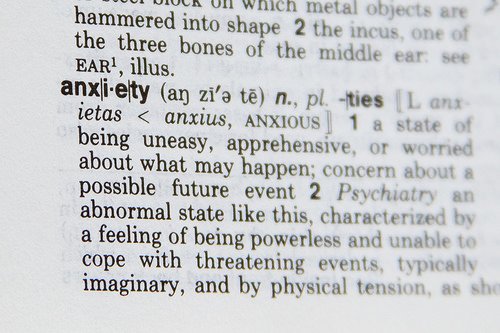
    Someone you know is likely struggling with anxiety. Likely, many of you are, too, just like I am. With general anxiety running rampant across society right now, we can also assume that a large portion of social anxiety is going around too. If you have a friend who has struggled to keep plans or stay in touch, be kind. Recognize their anxiety and take a small action that sends the message that you are happy to see them. For me, it’s been a sincere hug or smile upon seeing me. It’s an immediate reminder that this person wants to be with me. There is an undeniable feeling that seeing me makes them happy.

    They probably have no idea how much they have done by expressing that to me, but it makes all the difference in the world. I can immediately go from being all in my insecurities to all in the acceptance and warmth of long-time friends. It might not seem like much, but it is.

2 Comments

Leave a Reply

Your email address will not be published. Required fields are marked *

This site uses Akismet to reduce spam. Learn how your comment data is processed.

To respond on your own website, enter the URL of your response which should contain a link to this post's permalink URL. Your response will then appear (possibly after moderation) on this page. Want to update or remove your response? Update or delete your post and re-enter your post's URL again. (Find out more about Webmentions.)