The Conversation We Won’t Have
In the wake of recent events, there will be a lot of talk of the need to do something, to convince ourselves that we can somehow stop this, or something like it, from happening again. Naturally, we will hear lots and lots about the “causes” as if we can affix blame and that will help comfort us so we can go forward feeling more comfortable about our lives.
We’ll hear a ton of people suggest that gun control is the answer, in fact we already have. We’ll here some about violent movies, violent video games, and even a few who point to the media coverage that creates glamor around the event.
What all these well meaning people will conveniently forget is that human beings have been killing each other, including in mass murders, long before there were guns, video games, movie, or any media coverage. None of those things created murder, it was already part of who we are. But we’ll try to find the magic bullet that will let us think we have fixed everything, when there is no real fix.
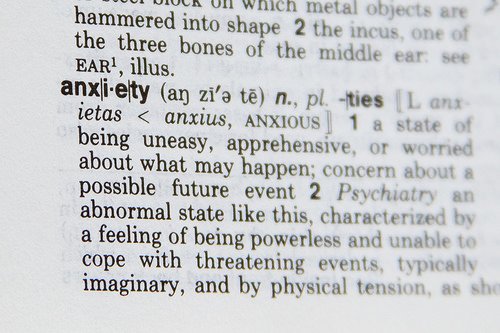
On the other hand, we’ll see a handful of mentions about mental health, and maybe even a few calls for making mental health services available, and that’s a good thing. The truth is we don’t know how many young men are out there with violent tendencies, or woman for that matter. Could the availability of quality mental health services have prevented what was, in truth, a glorified suicide? Would the parents have had more resources available to them when the were kids to help them avoid this point? We don’t know.
What we do know, is that whether those services are more available or not, there is one demographic that will be least likely to seek help, and the most ostracized when they do. Young males.
I don’t want this story to be about me. It’s about the victims and families and they should absolutely be the priority here. However, after prayers, thoughts, donations, and anything else that can be done for them is done, I want you to think long and hard about what it takes as a young male to seek help. I was one once. I needed help, I was self destructive and prone to destructive behavior. I wasn’t prone to hurt others as much as I was myself, but it’s a pretty thin line. I didn’t ask for help until after some bad breakdowns, when I couldn’t hide the problems any more. And yet, even when I did, I was ostracized by many of my friends. I was supposed to suck it up, be a man, and take control of my life. I was supposed to live up to my potential, not spend all my time going to therapy and being drugged.
So we can get rid of guns, video games, and only show Disney movies if you want, but until we make it easy, and acceptable, for young men to seek out and get help, and for their parents to take them to get help before they reach adulthood, there will always be a great risk of mass shootings and other violent behavior.
Of course, that conversation is a tough one, and requires us to change so many things, not the least of which is how we view masculinity and human nature. It doesn’t fit into a sound bite, or opinion piece, so we won’t be having it. We don’t want to have to think too hard, much easier to let the government pass another law that does nothing to address the real issue, but makes us feel good about doing something.
Meanwhile, another generation of young men will grow up in a society that punishes them for being different, or weak, and won’t ask for help for fear of being found out.
Update: Related thoughts from a mother of a mentally ill teen