Why Think About Abusers? Because It Wasn’t Your Fault
Last night I stumbled into the #sexabusechat on Twitter, mostly by happening to be looking at twitter when it started up more than by design, I have to admit. The topic of the evening was on generational abuse, and how it carries down from one generation to the next. In response to the question of why we should care to examine the family history of the abuser, I had this to say:
@TruthisHers I think anything that gives us context beyond “You deserved it” is a good thing, history does that. #sexabusechat
— Child Abuse Survivor (@SurvivorNetwork) January 28, 2015
Now I know what you’re about to say. I’ve seen it said over and over again by survivors and others. The person who abused you is evil and you shouldn’t spend any time thinking about them or trying to understand what they did, there is no explanation for it!
OK, yeah, that is true, in a very shortsighted way. The reason I think it’s shortsighted is because if we don’t let survivors examine the reality and history of the person who abused them, they are still going to wonder why. Why me? Why was I abused? That’s the wrong question and leaves us only looking for answers that lead to a conclusion that I did something to attract, or even deserve the abuse. Instead of seeing the truth of the abuser, we are left with figuring out why they chose me.
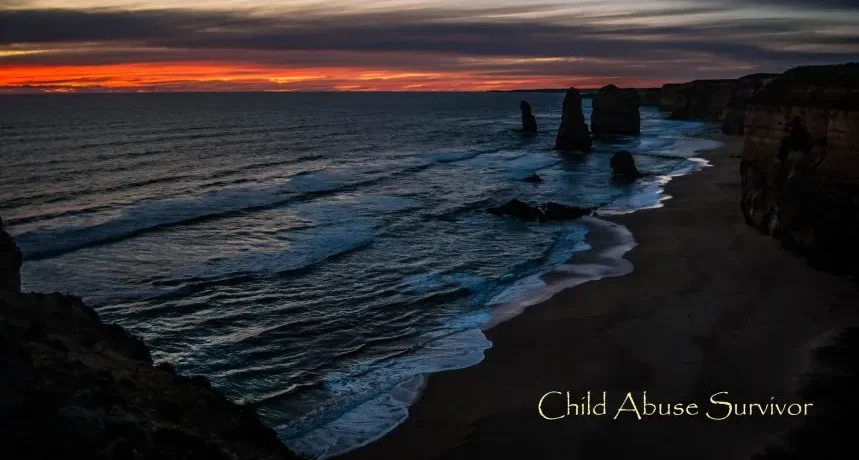
By allowing survivors to examine that history, maybe, just maybe, they can begin to get a clearer picture of what happened. They can look at the larger picture, that the abuser was going to abuse due to reasons that had nothing to do with the survivor at all, the only thing they “did” to attract this abuse was exist in the path of the abuser. In essence, this was a storm that was coming, and it was going to hit someone. It wasn’t your fault it hit you.
That doesn’t mean the abuser isn’t to blame, regardless of how traumatic their own life has been, but understanding that this person was going to inflict pain on someone, can help survivors stop trying to figure out what they did to attract it. They didn’t do anything, and isn’t that a better understanding of childhood abuse?
I think it’s a healthier place to start healing myself, even if you don’t have any background on your abuser, it can help to understand, in general, that abusers are a storm waiting for a victim, you weren’t a victim waiting to be abused.
What do you think? Do you know what kind of history your abuser(s) had before they abused you? Do you even want to?


RT @SurvivorNetwork: Why Think About Abusers? Because It Wasn’t Your Fault: Last night I stumbled into the #sexabusechat on Twitter,.. http…
Diana-Lynn Holmes liked this on Facebook.
Thanks for the post, Mike. I agree with you. I actually wish I knew more about my father/abuser’s history. Who got to him, I wonder. Though I have long ago forgiven myself for what happened to me, It would have helped to do so, had I known more about the demons tormenting my father. Many survivors may not want to, or may not be ready to hear this, but my own truth is that compassion for ourselves goes hand in hand with compassion for others. I cannot truly have one without the other.
You know what, I don’t disagree with you about compassion, but I wills ay that sometimes knowing something about an abuser is useful even if you never develop any compassion for them. Just knowing that it was always about them and their own issues, and not something we did, is healing on it’s own!
RT @SurvivorNetwork: Why Think About Abusers? Because It Wasn’t Your Fault: Last night I stumbled into the #sexabusechat on Twitter,.. http…
Interesting!? RT “@SurvivorNetwork: Why Think About Abusers? Because It Wasn’t Your Fault http://t.co/uTt9BboMWg #childabuse #observations”
RT @SurvivorNetwork: Why Think About Abusers? Because It Wasn’t Your Fault http://t.co/LJZ2uEC5wT #childabuse #observations
RT @SurvivorNetwork: Why Think About Abusers? Because It Wasn’t Your Fault http://t.co/LJZ2uEC5wT #childabuse #observations
Why Think About Abusers? Because It Wasn’t Your Fault http://t.co/LJZ2uEC5wT #childabuse #observations
I love this line: “it can help to understand, in general, that abusers are a storm waiting for a victim, you weren’t a victim waiting to be abused.” Awesome!
RT @SurvivorNetwork: Why Think About Abusers? Because It Wasn’t Your Fault http://t.co/LJZ2uE2Txh #childabuse #observations
@SurvivorNetwork If you were sexually abused as a child, Check out their blog: http://t.co/7Qv0saPHOD . Thanks for the great content!