Difficult Discussions

I started writing this post in my head last night while, across the country, my wife’s cousin was awaiting news on her toddler’s heart transplant. Ever since we learned about his heart problems and the likelihood that he would eventually need a transplant, I think most of us tried not to think about it beyond that one sentence. At least, I know I did because I didn’t want to spend too much time thinking about how a heart for a little boy would become available to be transplanted.
Let’s face it, there’s nothing comfortable about that subject. We don’t want to talk about, think about, or even deal with it. Yet, there’s a little boy who, while not out of the woods, has hope for the future because someone was able to have that conversation and make the decision to donate the organs of their child. I don’t envy either of those families for the discussions they’ve had to have, the ideas they’ve had to think through, and the decisions they’ve had to make.
But they did it, and it has made a difference. Given that, as much as it might be a difficult thing to talk about, please consider organ donation and talk to your family so that they are familiar with your wishes.
All of this got me thinking about discussions we have or choose not to have.
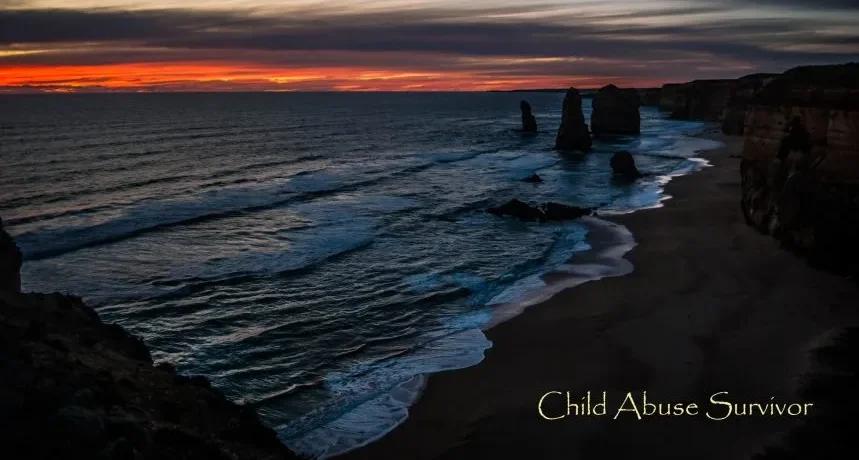
I often write about mental health issues and child abuse. Both are topics that can be pretty uncomfortable to discuss. Dealing with both can be a very isolating and lonely experience. Mostly, that’s because we prefer not to discuss it. This week’s events have once again reminded me of the difference that talking about the things we are uncomfortable discussing can make.
How many survivors and mental health sufferers are giving up because they don’t see any hope? How much of a difference could it make if, instead of being isolated and feeling hopeless, those people could see that they are not alone, that others are going through the same things, and have been through those same things and gotten out on the other side?
There may not be a straight line to saving lives in the same way that donating organs can be, but do not for a second believe that talking about abuse and depression doesn’t save lives.
Discuss it, and let others discuss it, no matter how uncomfortable it may be.


Not sure what’s hard about the subject. What’s to discuss? My used parts will be available when I die. They probably won’t be useful except in medical school to show students the effects of a lifetime of abuse and neglect.
Thank you for this.. We were organ donors before Trenton was born. But now we are even stronger advocates for all people to consider giving the ultimate gift!!
My son Tyler passed away waiting for a kidney 3 years ago.
I’m so sorry Eileen, I can’t imagine what that must have been like for you.
Eileen Healy Ryan liked this on Facebook.
Betty Epperly liked this on Facebook.
Janet Phillips McKensey liked this on Facebook.
Charlotte Patin liked this on Facebook.
Jerry Netherland liked this on Facebook.
George Black liked this on Facebook.
I haven’t ever had this conversation with my family, I always figured it was my decision to make. After the Terri Schiavo tragedy we did discuss brain death and our wishes. Personally I think that I might donate my body to science, it’s a different kind of donation, but still an important one.
Angela Netherland McBride liked this on Facebook.
Andy Helsby liked this on Facebook.
Sherry Heffner liked this on Facebook.
Linda Franklin liked this on Facebook.
I’m an organ and tissue donor!!!
So important and I always liked in Ohio that it was available on my drivers license with a clear choice to donate. Not sure if that is on the one for Florida but will check it out tonight. Last night when I was looking at my prayer list I realized I don’t recall a time when I’ve had two people listed for transplants on any given, random list I make when the requests add up. Hoping all went well for Trenton. One more set for 8/9 to get to Mayo to wait for the moment of another gracious donor.
Jannie Fountain liked this on Facebook.
Mary Healy Weldon liked this on Facebook.
Lisa Adkins liked this on Facebook.
Rebecca Young Roberts liked this on Facebook.
Bill Wiggers liked this on Facebook.
Debbie Holycross-Gantt liked this on Facebook.
Doris L Foster Quesenberry liked this on Facebook.
Caitlin Murphy liked this on Facebook.
Debbie Treadway liked this on Facebook.
Cheryl Tankersley Teaford liked this on Facebook.
Melissa Epperly Simmons liked this on Facebook.
Pam Hesson liked this on Facebook.
Patricia Caldwell Singleton liked this on Facebook.
Life has a lot of happiness, but also much sorrow & grief. I’d encourage every family to have that hard end of life discussion. Should a loved one become incapacitated; what are their wishes? Make a living will or designate a medical power of attorney so the family, in the midst of so much chaos, won’t have that worry as well.
Thanks for talking about the difficult things, Mike!
RT @SurvivorNetwork: Difficult Discussions: Consider organ donation, and having difficult conversations about abuse/depression.
.. https…
Shar LeMaster Wackman liked this on Facebook.
Ellen James liked this on Facebook.
Jamie Schraer liked this on Facebook.
Melody Ross liked this on Facebook.
Lisa Ewald liked this on Facebook.
Mike Snyder liked this on Facebook.
Michele Braisted Gambetta liked this on Facebook.