Social media

  • It’s OK to Just Enjoy Something For Yourself

    I came upon this idea later in life than some of you may have. Thanks to an abusive childhood and a fairly demanding church involvement in my teens and twenties, I was about 30 when I finally gave myself the freedom to take on a hobby just because I enjoyed it.

    For me, I grew up never feeling good enough or worthy. I needed someone else to tell me it was OK for me to do something, or heaven forbid to spend money on something just because I liked it.

  • Why I Don’t Tell People I’m Struggling Either

    When Laura talks about the reactions she’s afraid of getting she is 100% correct. A big part of why I hesitate often to tell people when I’m struggling, feeling incredibly anxious, depressed, or just mentally out of sorts is because I absolutely do not want to hear about how many other people are struggling worse. I already know there are a lot of people struggling. People who don’t have the resources I do, don’t have the support I do, with poor physical health issues or being a part of an underprivileged group, etc. I know, and I understand that I am privileged to have the things that I do and the tools to try and take care of myself that others do not.

    And yet, my struggles are still struggles. If I am telling you about them it’s because I need someone to know. I need to be heard. I need to explain what is happening in my own head to someone who will listen to me. I am not negating anyone else’s struggle by talking about my own. Please understand when I, or someone else you know, comes to you and tells you that they are struggling with our mental health, it has likely taken all of our energy just to gather up the courage to tell anyone, so when you deflect like this it’s devastating to us. We carry these heavy, heavy, burdens with us every single day of our lives and we simply need someone to recognize them and maybe help us a little bit every now and again.

  • Running on Fumes

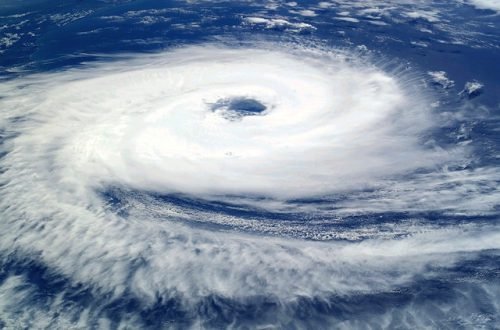
    I heard someone on the radio use this phrase to describe herself as we were out grabbing a few last-minute items to assist with riding out Hurricane Ida. She was talking about evacuating her home in New Orleans at 10:30 last night, driving to Alabama to seek shelter, and then doing the show remotely from there.

    Here, we aren’t in as much of a need to evacuate, we are further from the coast and the storm surge, but it’s still going to be a long, dangerous couple of days. So, we are spending a lot of time, and both mental and physical energy, preparing to possibly be without power, for needing to leave if the house is damaged, and so forth. It’s a lot. And that is on top of all the mental energy necessary to deal with large COVID outbreaks we’ve had in recent weeks, all of the recent events in world news, and the various personal and professional challenges that we are also dealing with.

    Running on fumes is a really good description of how I think most of the entire state feels today, and yet, there’s a storm coming that we are all going to have to deal with, while everything else just continues on as well.

  • Want to Lower LGBTQ Youth Suicide Risks? Just Accept Who They Are

    Since it’s Pride Month, I’ve seen a few references on social media to the higher rates of suicide of LGBTQ youth. I’ve also seen a number of explanations for it, and things that you could do to help, but I wanted to share this quote from the Inside Mental Health podcast, where the host, Gabe Howard, was interviewing Dr. Amy Green, from the Trevor Project, because it really cuts to the chase with data, and facts.

    When we look at that, the data is striking. One of our data findings found LGBTQ youth who have at least one accepting adult are 40% less likely to report a suicide attempt. When I say risk factors, rejection is one of the biggest ones on the other side for protective factors, it’s acceptance, its affirmation, its support. It’s so crucial during the adolescence and young adult period.

    If you go listen to the whole podcast below, you’ll see that the things that increase the risks for suicide among LGBTQ youth are very much socially based. It’s not that LGBTQ youth have some sort of genetic quirk that makes them more likely to deal with mental health issues, it’s because they are so much more likely to be rejected, and unable to live their authentic lives. That one thing, is something that has an oversized impact on suicide rates for everyone, and happens to LGBTQ kids more often.

    So, here’s something you can do that will have a huge affect on the likelihood a LGBTQ kid in your life will be lost to suicide, just accept them. Just allow them to be who they are, and live their life accordingly. That’s it.
  • Want to Save the Children? Listen to the Experts, Who Say the Truth Matters

    Somehow, I had missed the statement put out prior to the elections by almost every organization out there doing the real work of battling human trafficking. They minced no words, and I wanted to share them here, so that readers all know where I stand as well.

  • Why Should I “Earn” The Things That Are a Required Part of Life?

    If you want to eat, eat. Your body needs food.

    If you want to sleep, sleep. Your body needs sleep.

    If you need to do something for your mental health? Do it, your mind needs care.

    If you want to work out, work out. It’s good for you.

    If you want to work hard on a project, work hard. The sense of accomplishment you get from hard work is great.

    Do any of these things, it’s your choice. But don’t let your view of the things you need be altered by things you might want to do, and don’t let anyone else tell you how to earn those things. You don’t have to earn food and rest, they are a required part of being a human. You’re allowed to be human, no matter how hard you work out.