
Unbroken Movie and Real Experience
(ed note- This is a guest post by Lindy that also appears on her own blog. It contains some religious messages along with her genuine story of seeing the movie. If you are offended by that, well, you’ve been warned. As you know, this site welcomes all survivors, regardless of religious faith, or lack of religious faith. The only thing we ask is a respect for all survivors in any posts or comments.)
Everyone that goes in to see a movie is bringing his own life experiences in which he views the cinematographic entertainment through. Of course, it is the same with reading a book, or in fact, even how we view life itself. We all interpret what we input through our mind, that holds the memories of our life, our worldview, our mindset, and our emotions. No one can see a movie the same way as the next person. A movie actually is unique for each viewer.
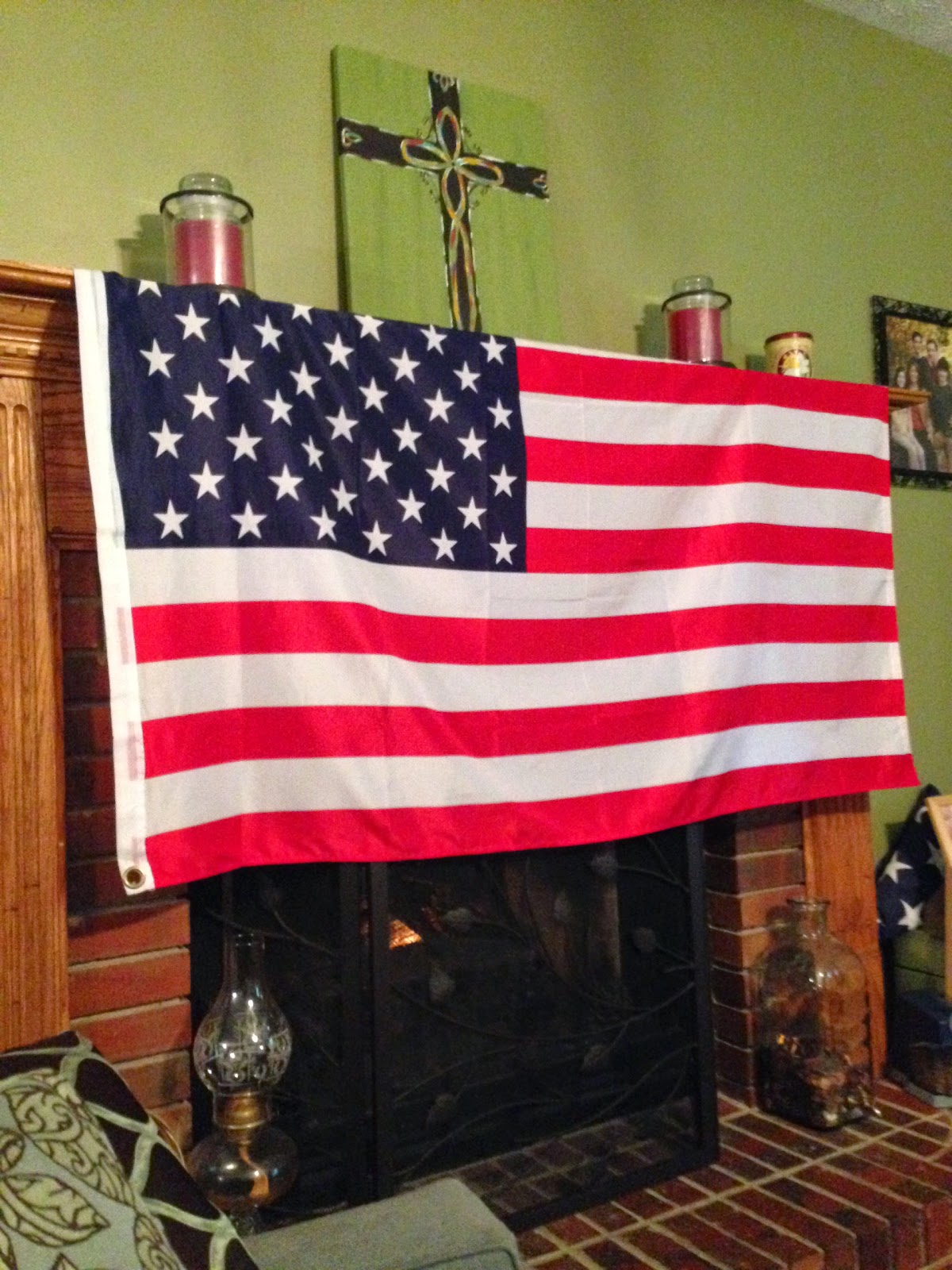 |
| Most think of Country in War, But often it is a Cross to Bear. |
Unbroken – The Movie
“Unbroken” is a phenomenal, expertly-directed, war movie that will become a classic. The acting of every character is so believable. From the moment the movie started on the big screen until the credits started to roll, I was captured in the details, creative camera shots and difficult subject matter.
The movie was about two-thirds finished when a scene became too real for me. Sadly, I experience a trauma trigger response and was pulled back to my abusive childhood. The Japanese officer of the prisoner camp ordered every prisoner to punch the face of Louis Zamperini, the lead character, as one of his punishment. The first prisoner refused, so a sick, weak prison was brought out and beat with a cane stick until the Louis screamed begging his fellow prisoners to punch him in the face. And then it happen, man by man, each punching Louis in the face. Of course, this is a war tactic that rips to the core of both the one punching and the one receiving the punch. It is demoralizing and it is a horrific reminder that you are not in control but under the command of a cruel master. This was the reality for the prisoners of war held in Japanese camps.
Unbroken – My Life
More than once in my life, I have been in “that position” of having to punch or belt a sibling against my will. Being forced by my father to box a sibling, pull their hair or beat them with a given instrument of punishment (usually one or more belts). If we did not inflict the injury hard enough, we would were told that both would be beaten by him. Demoralized, we complied. In the movie, I thought about how I literally cannot wrap my mind around what caused my father to be so wicked.
Was it a mental disease or was the emotional, human core of his sole rotted out by abuse he endured or a demonic influence? It seems to me that he was too evil to be simply mentally ill. Mental illness is usually a disease that turns within and that creeps through the emotional capacity of a person to be in touch with reality. But violence like what we endured is usually only dealt out by a human whose core soul has been torched by violence itself, or a person given over to demonic spirits of evil. It is so inhuman.
Lessons Learned
I regained composure and allowed myself to move along with the movie even though the torture scene riveted my emotions to my childhood memories. I, thankfully, was not overcome or controlled. I didn’t come unglued or have to find the nearest exit to fall into a catatonic, self-soothing rock. Praise God! I have recovered enough from the torture of my childhood that I rebound.
Though I cried, I did not crumble. I was able to finish seeing the movie, and appreciate the message of the life story Louis Zamperini. His brother told him when he was young, “If you can take it, you can make it.” This is a lesson my siblings and I learned, also. It is the lesson learned by every survivor that does not surrender to lifelong abuse and give up resisting evil in order to gain freedom.
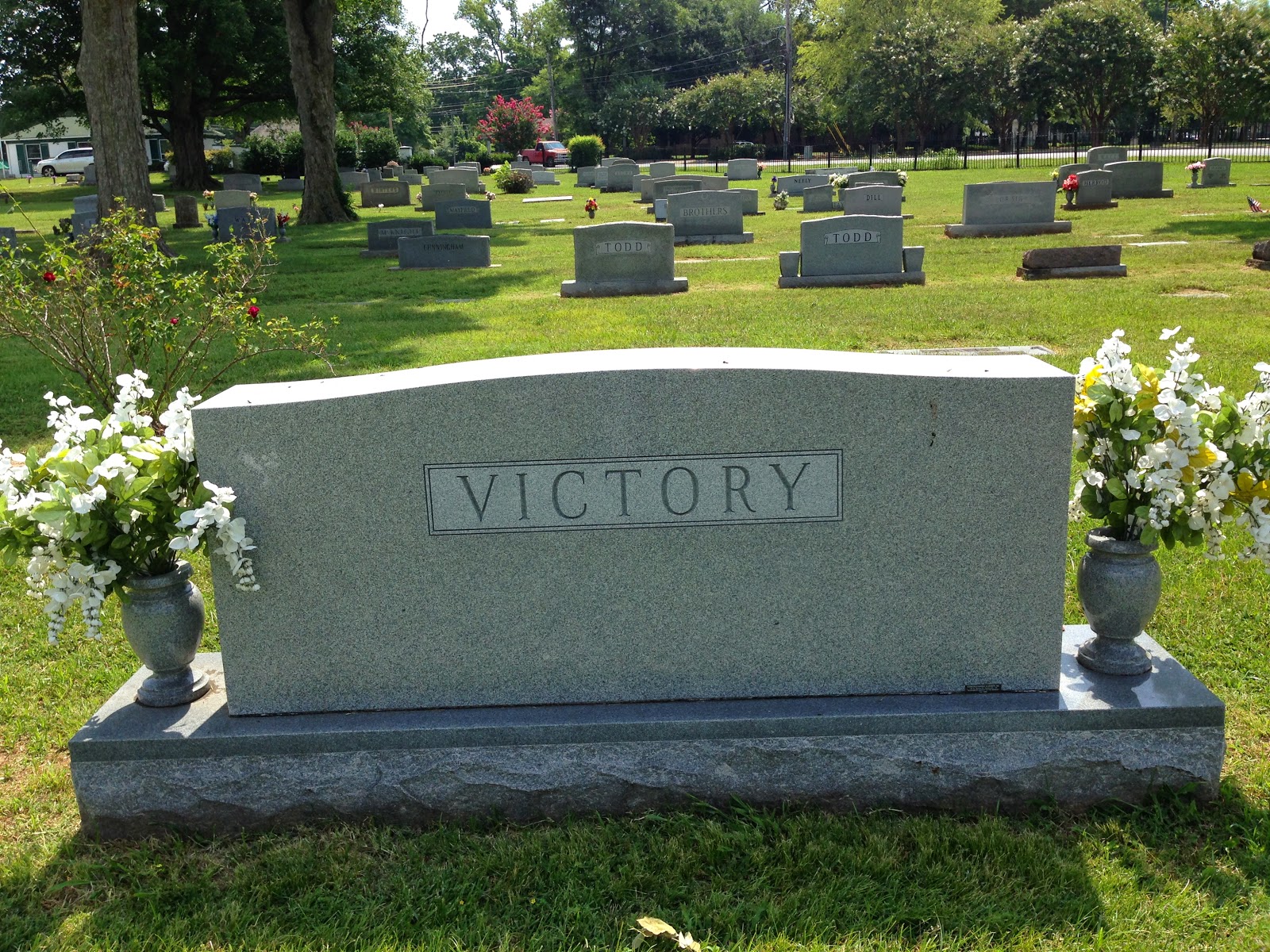 |
| Victory of Torture and Death itself. |
Within mankind, God places a seed of hope, that almost rebells and says, “If I can take it, I will make it.”
I know I believed this as a child. I taught myself to not feel, to actually disassociate (though I did not know what I was doing when I did it). I know some of my siblings did the same survival tactic. We instinctively learned how to cut off our nerve endings so that pain was no longer felt. We developed skills of looking like we were present while we drew within our soul going to a far-enough, distance place to not be harmed in that moment. For me this caused split personality, now known as disassociate identity disorder, from which I took ten years of trauma therapy to integrate and heal from during my thirties to forties. (I thank God the healing techniques are available in brain trauma therapy today. I used brainspotting, birthed out of EMDR therapy techniques).
Another life lesson Louis Zamperini learned was to forgive. This movie only touched on this fact in the credits, but it is the greatest part of Louis’ healing story in real life. He is quoted over and over telling people that it was through forgiveness that he was able to get through the Post Traumatic Stress Disorder from being in the Japanese labor prison war camps. I reflected on this after the movie, and know that forgiveness has been one of the pivotal lessons in my life, a cornerstone from which I am able to forgive anyone of anything because God has first forgiven me of all. Jesus is and always will be the greatest forgiver of all time! He teaches us and heals us through forgiveness.
Lessons Lived
After we left the movie, I noticed that I tried to make eye contact with anyone that would connect with my eyes. Oddly, no one did until my dear husband turned the corner looking for my daughter and me. This idea came to me from the movie. The Japanese commander ordered Louis to make eye contact and then beats him for doing it, and also orders him to not make eye contact and beats him for it. This paralleled the no-win situation of my childhood. We knew we would get beat regardless of our answer or action. The only right answer was abuse. That is what an angry, violent person intends to do and the person who is on the receiving end really has no control of stopping or starting the abuse.
So in trying to make eye contact, I thought about how I usually connect with people by looking right into their eyes. It can make some people come unglued. Some are not use to having someone took at them directly or feel exposed. I don’t glaringly stare but simply look, usually when I talk to them or nod. The eyes are the window into a person’s soul. You can find out if anyone is really there or if the person is really faking a persona. I love when I find warm, gracious eyes; I know I am safe with this person.
When I got into the car with my husband and daughter, I remarked how it was an excellent movie but explained that part of the prison camp reminded me of my childhood torture.
“You know it is a shame that there is not a sticker of some kind, a medal given, to people who have survived the tortures of child abuse, as they give to war hero,” I stated. “We will get you a sticker,” my husband joked. “You know, I think in my graphic design class coming up, I will make an emblem for people who survive child abuse, kind of like a ‘prisoner of child abuse’ designation,” I replied. “That is kind of morbid,” my husband said.
But I like the idea! It is an honor to know that I survived 18 years of child abuse torture and that I have not been a child abuser myself. It is a victory of God that I have–to the best of my ability–healed from my past and forgiven my abuser and my mother, the co-abuser, who allowed the abuse. We should have celebrations for survivors, yearly parties for those who have made it through and won the war of child abuse!

An Unbroken Life
“Unbroken” is a great movie. I recommend it highly to everyone. But especially to those who, in life, have endured their own “torment,” have survived, and either have or still are in the process of overcoming the violence done to them. In many ways it is an oxymoron to say survivors are unbroken, because is it through being broken first that we can be remolded into a vessel of God’s grace that is for Him – An Unbroken Life. We are living models of broken vessels that by God’s healing and grace can return to humanity and become the person He created us to be — “Unbroken.”
Blessing to you and those in your life!
My blog is http://abuseandtrauma-hope.blogspot.com


Unbroken Movie and Real Experience – http://t.co/LUU2Yk6o9v via @Survivornetwork
RT @SurvivorNetwork: If you missed it – Unbroken Movie and Real Experience http://t.co/EvZLLE5P2r #reviews